
Plasma
What is Plasma?
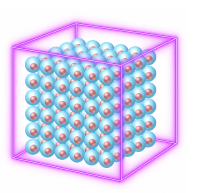
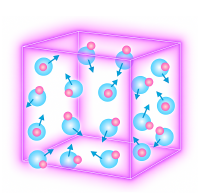
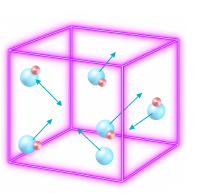
"Plasma" is one of the states of matter and is regarded as the “fourth state” following solid, liquid, and gas.
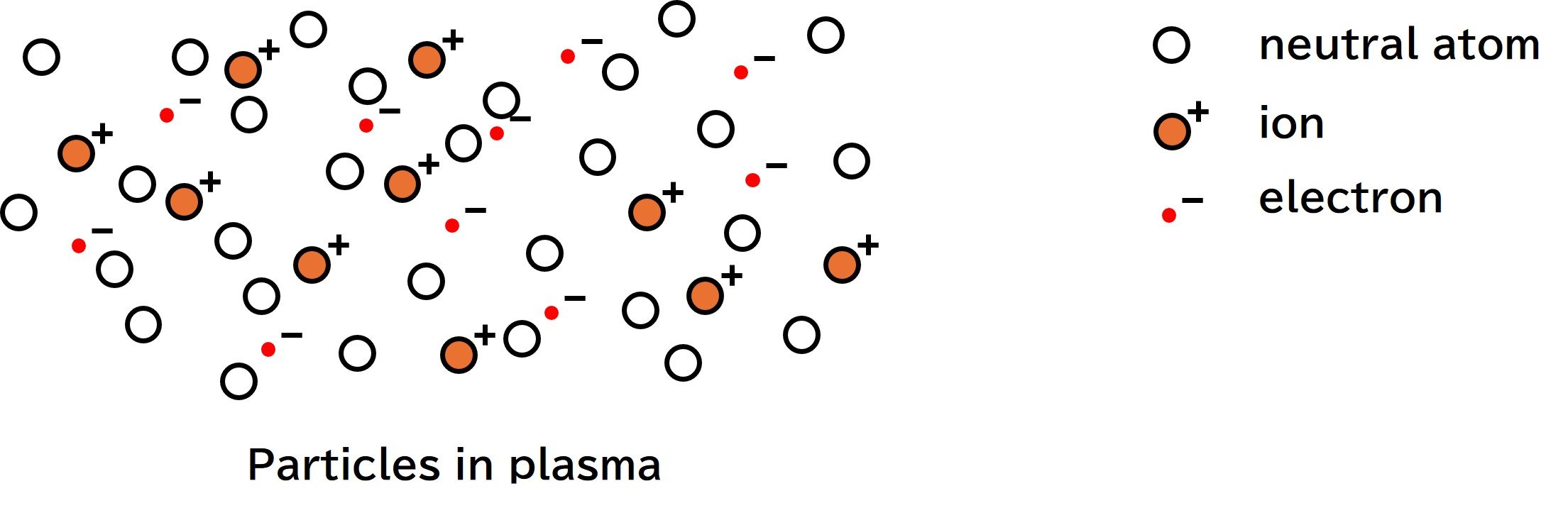
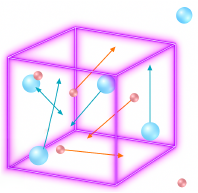
When sufficient energy (such as thermal or electromagnetic energy) is applied to gas, electrons within atoms or molecules escape, and causing ionization.
The state where electrons and ions coexist is called "plasma".
Examples of plasma in nature include auroras, which occur when solar wind collides with the atmosphere.
As other examples, there're lightning, the sun, and in artificial environments, fluorescent lamps etc..
How to Generate Plasma
To generate plasma, it is necessary to supply energy to gas to promote the ionization of molecules and atoms.
The energy sources for this include electrical energy that accelerates electrons through electric fields to induce ionization, thermal energy that promotes ionization through high temperatures, and light energy such as ultraviolet or X-rays that also induce ionization.
In Canon Anelva, plasma is primarily generated and maintained by using electrical energy among these sources.
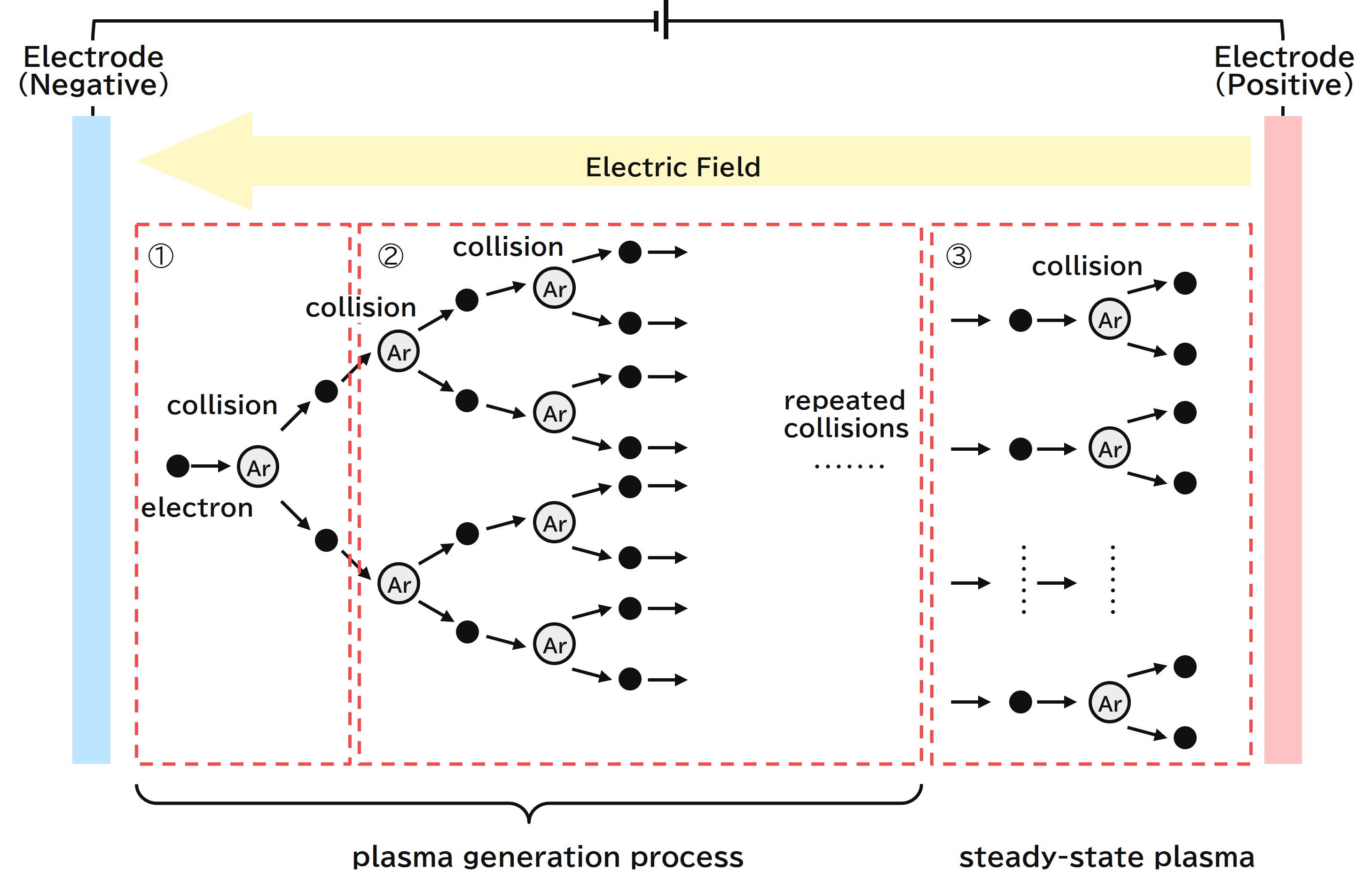
The mechanism of plasma generation by electrical energy is as follows:
(1) Electrons are accelerated by an electric field, collide with gas molecules, causing ionization and releasing additional electrons.
(2) The newly released electrons are also accelerated by the electric field and collide with other gas molecules, repeating ionization and electron emission.
(3) Continuous acceleration of electrons by the electric field and collisions with gas molecules maintain the plasma state, where ions and electrons coexist.
In this way, the generated plasma is utilized in various applications.
Applications of Plasma
Plasma is applied in many fields of science and technology with its unique properties.
-
Semiconductor and electronic device manufacturing:
Particularly in microfabrication processes such as etching and thin-film deposition, plasma plays an indispensable role. Its ability to enable high-precision processing at low temperatures makes it crucial for next-generation semiconductor production. - Medical field:
Low-temperature plasma is used for inactivating bacteria and viruses and promoting wound healing, and it is gaining attention as a non-invasive treatment method.
- Energy sector:
Fusion energy research is developing technologies to confine plasma at high temperature and high density. In the future, it is expected to become a clean and sustainable energy source.
- Space science and propulsion technology:
Outer space is filled with plasma and it‘s understanding is fundamental to astrophysics. Moreover, plasma propulsion systems (ion engines) are considered promising for long-distance space exploration.